
In the first part of the story, the LSST Camera had just landed in Santiago after an incredibly smooth loading process and flight. Unfortunately, the smooth ride ended there.
Let’s back up to the weekend before the flight. I got a last-minute text that the air cargo handling company that was going to unload the airplane in Santiago was starting a strike starting on Monday, only two days before the Wednesday morning planned arrival. After some scrambling, the decision was made to switch handling companies, which also meant we had to pull new permits to get access to the tarmac for our trucks and mobile crane. At that point I had been in talks with the original company for several weeks, making sure they understood the importance of the cargo and the unloading sequence and plans for the crane, etc. Cramming all of those conversations into a single day with the new cargo handling company was a bit stressful, especially since it happened to be the same day that all of the support equipment was being picked up at SLAC and taken to the airport. I wasn’t exactly overflowing with free time.
Fast forward to after the coolest flight of my life. I landed in Santiago at 4am local time (1am California time) and was immediately greeted at the door of the airplane by an eager cargo handler from the new company who was frantically looking for rigging. For context, we had stipulated in the contract that the LSST Camera container could only be handled by crane, not forklift, and that only project-provided rigging (slings and shackles) could be used to lift it. So really, it was nice to know that point was well-understood by the new cargo handling company. It’s worth pointing out that the camera is in the middle of the plane and not in danger of getting unloaded in the next five minutes, so the franticness of the request wasn’t particularly necessary. But I can empathize with a fellow eager beaver.
I dutifully reported the location of the rigging (literally on the first pallet they were about to unload) and the eager beaver along with four other people walked past me to get to the back of the plane. The point about special rigging must have been a highlight of the morning team brief because I proceeded to have the exact same conversation with at least three other people from the cargo handling company. It’s confidence-inspiring that they are taking this point seriously, but I’m also not sure at this point who’s really in charge here.
In the US, we lifted only the camera container via crane, and the other two were handled normally. In Chile, they decided to handle all three containers via crane and lift them directly from the plane rollers over to a waiting flatbed truck. That’s a fine decision, just creates a bit more faff and a bottleneck at the unloading location since we have to stop and use the crane three times. The other major difference between San Francisco and Chile is that in the US, my coworker who traveled on the plane with me was able to help manage the activities and answer questions. Unfortunately, his spanish wasn’t quite good enough to answer rapid Chilean questions at 4 in the morning, so I was on my own running around and talking to all the ground handlers and truck drivers and crane operators. Honestly my spanish almost wasn’t up to the task either, but I drank some caffeine to wake up and concentrated hard on what everyone was saying, or more accurately, shouting across the tarmac.
Luckily the camera container was loaded in the middle of the three containers which means it wasn’t the first one off. The first container was finally rolled out of the plane and the ground handlers were faffing about with the rigging, clearly unsure of the plan. I tried to explain to them via photos from the San Francisco airport and from SLAC (we’ve lifted this container at least a million times) and somehow they were still confused and started doing their own thing. Eventually I just made them stop what they were doing and my coworker and I went and did all the rigging connections ourselves. It was definitely the better decision, but an unpopular one because it took a little bit of extra time.

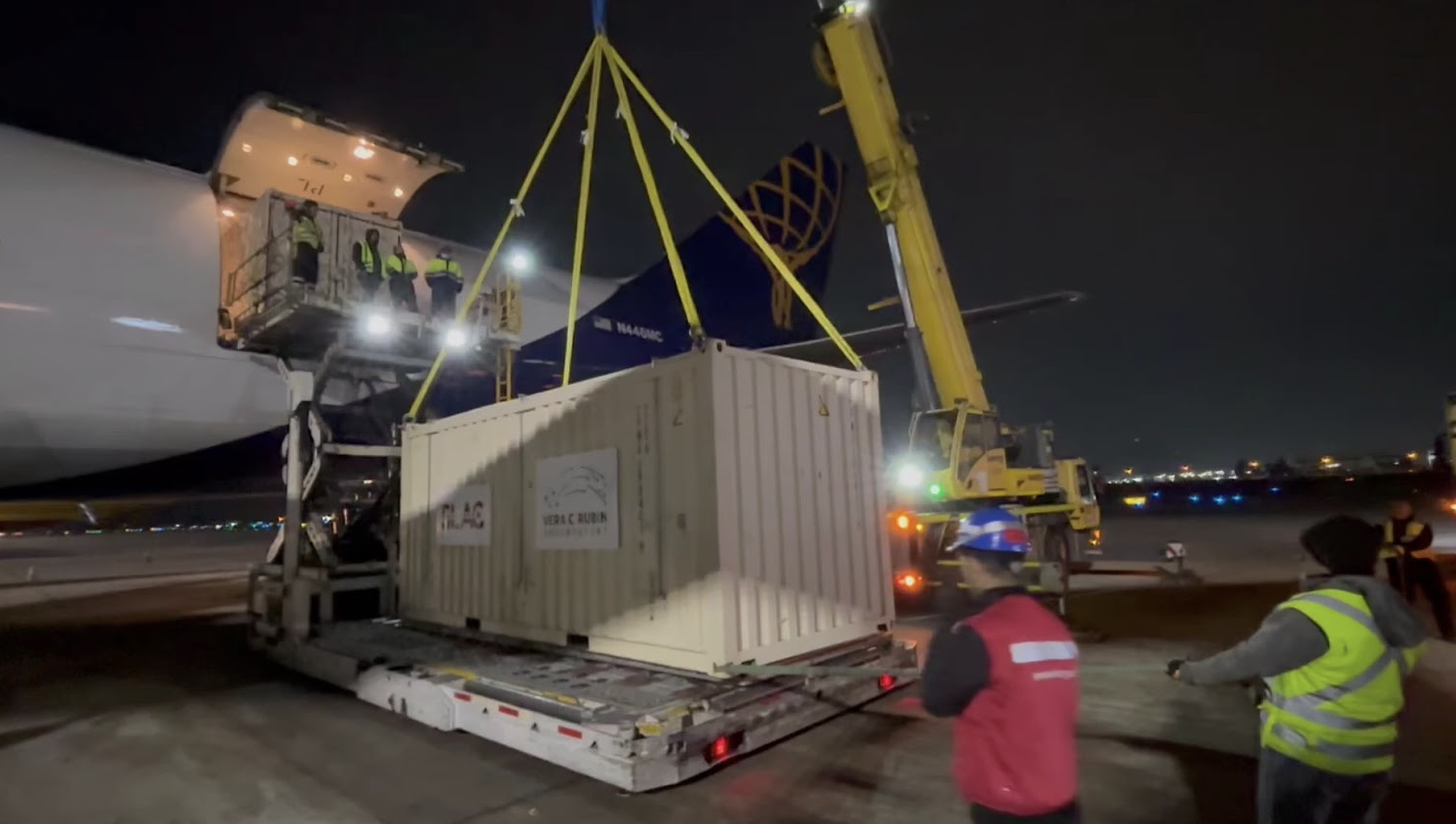
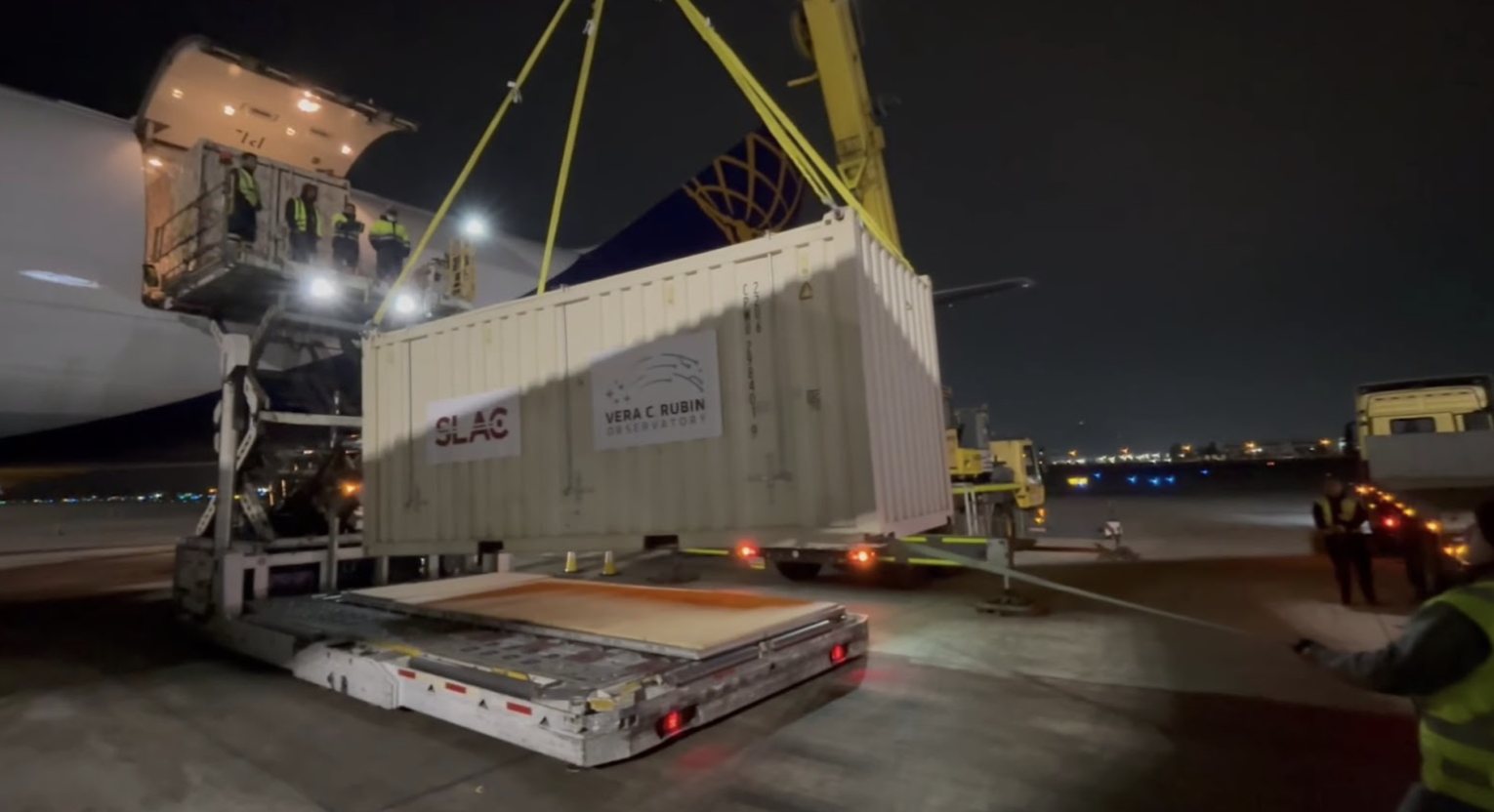

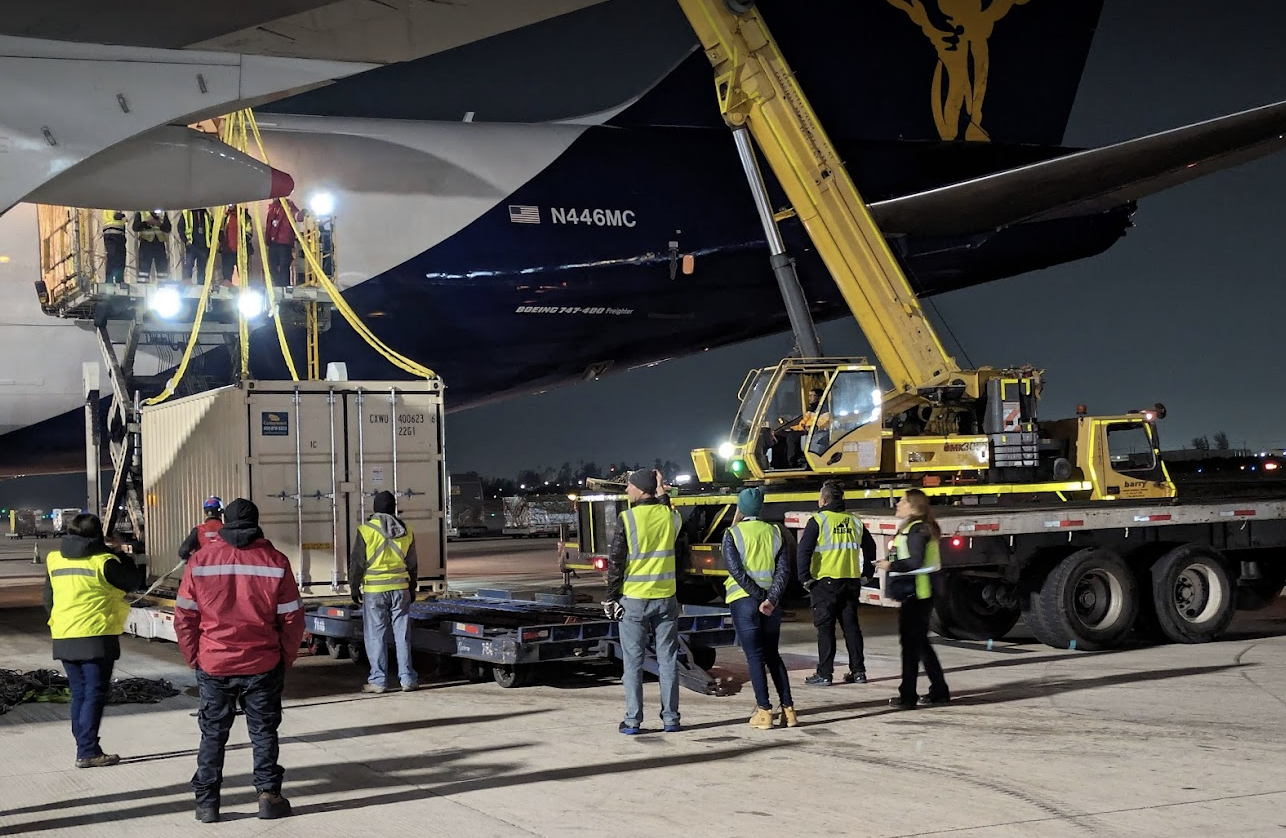
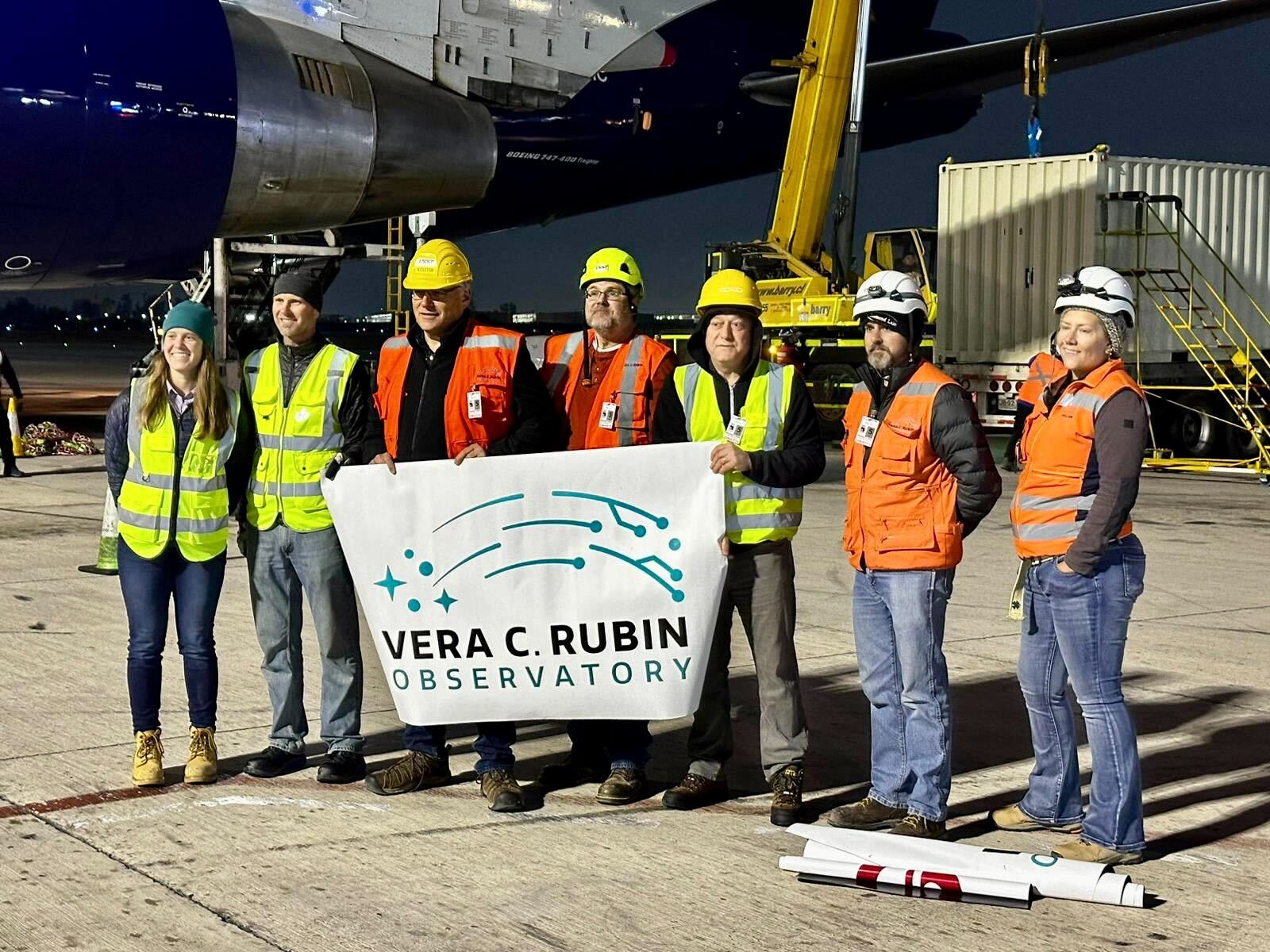
A really scary moment happened when the first container had just been loaded onto its truck and locked down in the four corners to the trailer. The crane hook was still attached, so the crane operator started lowering the hook in order to be able to disconnect the rigging, and during that pause the truck driver started driving away with the crane hook still connected to the container. Everyone on the tarmac started yelling and the other vehicles started honking and eventually the truck stopped and my heart restarted. Of course, that was right around the moment when the film crew and photographer and my boss and my boss’s boss and my boss’s boss’s boss made it through security and onto the tarmac to witness all of the unloading activity, so that was really great timing.
The almost-fiasco with the truck was really the only thing that went poorly at the Santiago airport, but it felt like a frenzy the entire time. Thankfully, we ultimately got everything safely unloaded from the plane, and managing the chaos in spanish at 4am with a totally unfamiliar company is not something I’ll soon forget.
In the same timeframe as the other text, I found out that the truckers in northern Chile were planning to begin a strike on the exact same Monday, two days before the scheduled arrival of our plane. This was a problem because we were planning to land in Santiago and drive all the equipment 300 miles north to La Serena, then inland and up the mountain to the observatory. Luckily, the strike didn’t involve anyone from the trucking company we had hired. However, when truck strikes happen in Chile, they physically barricade the highways and any trucks that try to pass through are targeted, even if they aren’t directly involved in the strike. It’s effectively crossing the picket line and highly frowned upon.
When I took off in the plane on Tuesday, the plan was to store all of our hardware overnight in Santiago until the strike was over. When the plane landed early Wednesday morning, I got the news that we were going ahead with the original trucking plan. Apparently a higher-up in AURA (the company that directs the operations of the Rubin Observatory and others in Chile) had called the minister of the interior who had called the PRESIDENT OF CHILE to request a special police escort for our trucks to get through the strike barricades between Santiago and the observatory. There was ultimately only one highway blockage on the route since the trucker strike was concentrated in the north of Chile and not around Santiago, but the police presence was still very necessary to pass that barrier safely. Thanks President Boric.
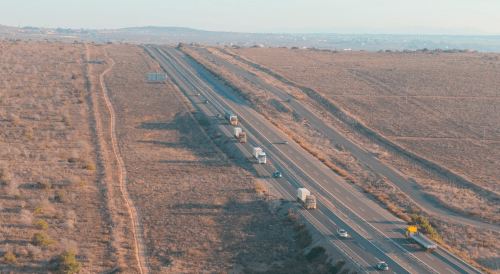
[The astute observer will notice that there are only three of our trucks in that photo. There were actually nine trucks in total, but the plan was for the three container trucks to do the drive on Wednesday and the remaining six trucks drove north to La Serena on Thursday with the remaining crates. Only the three beige container trucks in the above photo are our hardware.]
The trucks drove all day Wednesday from Santiago to La Serena and inland, and then spent the night just inside the summit road gate. The summit road is a 35 km private dirt road that winds up the mountain to the observatory. While this leg of the shipment was the part we had the most control over, I was also worried it would be the roughest, so I wanted to download the data logger acceleration and shock data and reset the loggers to capture at a faster rate for the last part of the trip.
There was some unexpected drama with the data loggers that stemmed from the fact that I had bought them back in 2021 for a test shipment. It just so happens that the company retired those data loggers and replaced them with a slightly updated version in 2022. However, the software was backward compatible and we had just used these data loggers in 2023 for a test drive so I wasn’t worried about being able to set them for this shipment. My mistake.
Since I have a Mac and the software runs on Windows, the plan was for the coworker traveling with me on the plane to download the software so we could reset them from his computer. But for some reason the connection just didn’t work. After much faff, it turns out that these now-obsolete data loggers could only connect to a different coworker’s dinosaur of a laptop. Since she was the one that had always worked on days logger settings with me in the past, I didn’t realize her particularly old computer was an important part of the equation. I ended up having to steal borrow her laptop to take to Chile with me for the en route resetting of the data loggers.
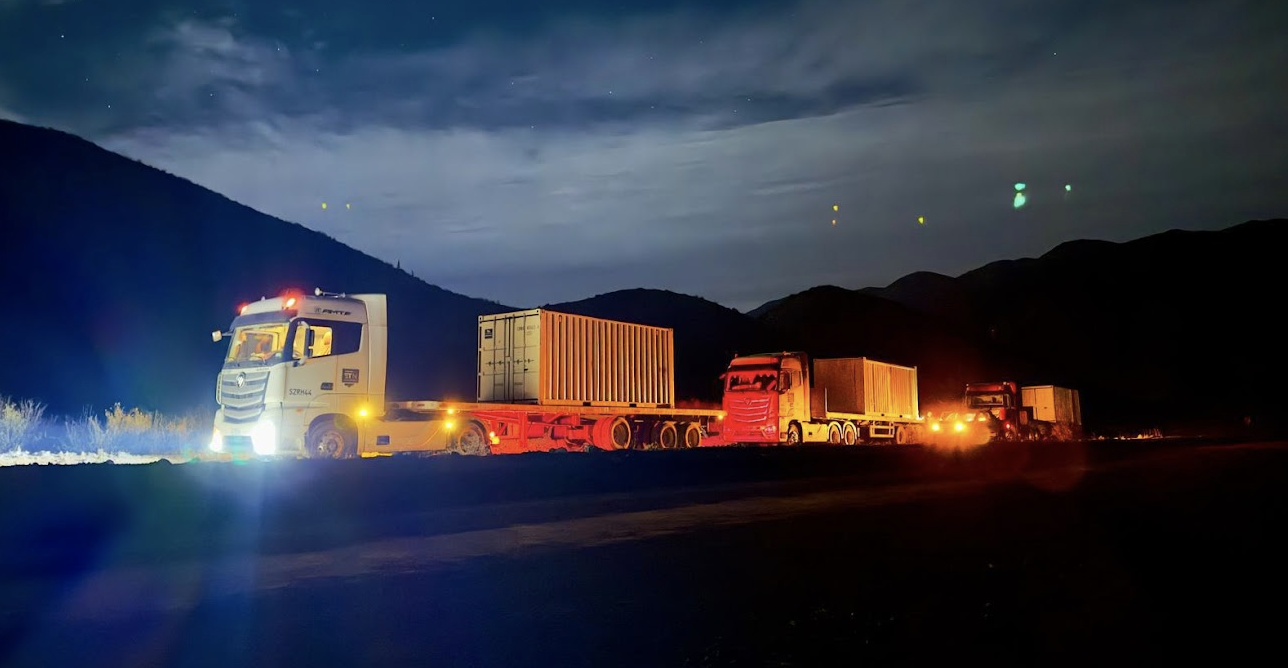

But that’s not all. The data loggers are, of course, inside the camera container, and I had sealed the doors with ½” thick steel container seals for security purposes. I asked one of the techs on the summit to lend us the 2.5 ft long cutters we normally use for breaking aforementioned seals so that we could reset the data loggers en route as planned. What we ended up with was a 12″ long set of cutters, which I can now report are not sufficient for the task.
So there we were, in the dark at 9pm on the back of a truck with some phone flashlights as our only illumination after having landed in Santiago at 4am that same day after an overnight flight. My coworker and I spent about 20 solid minutes trying (and mostly failing) to get enough leverage to snip three thick steel container seals, with some choice words for the tech that had given us the too-small tool. We eventually got them all cut using some well-placed kicks to the tool handle with steel-toed shoes, and were able to reset the data loggers as planned, but I was quite a grumpy panda by the end of the ordeal. I talked to the tech later about it and he claims it was a miscommunication, but I’m not completely convinced.
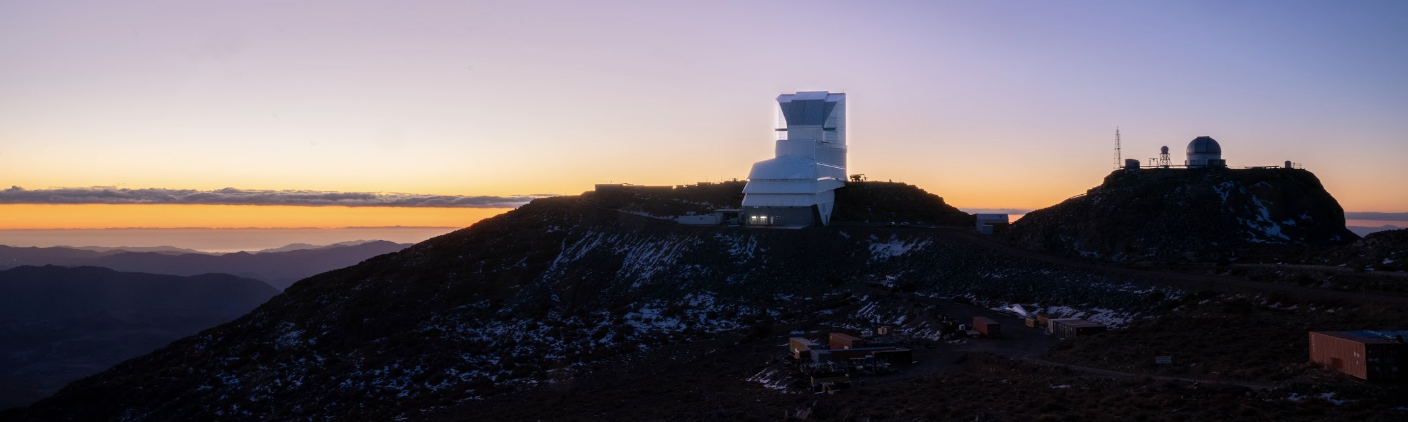
So between the two worker strikes and some crane shenanigans and a too-small tool, things may have gone ever so slightly downhill after the shipment arrived in Santiago. Now, it’s time to go back uphill, specifically up to the top of the mountain where the Rubin Observatory is. But that’s a story for another post.
*photos taken by Olivier Bonin / SLAC National Accelerator Laboratory

 Margaux Rhymes with Fargo
2 Pingback