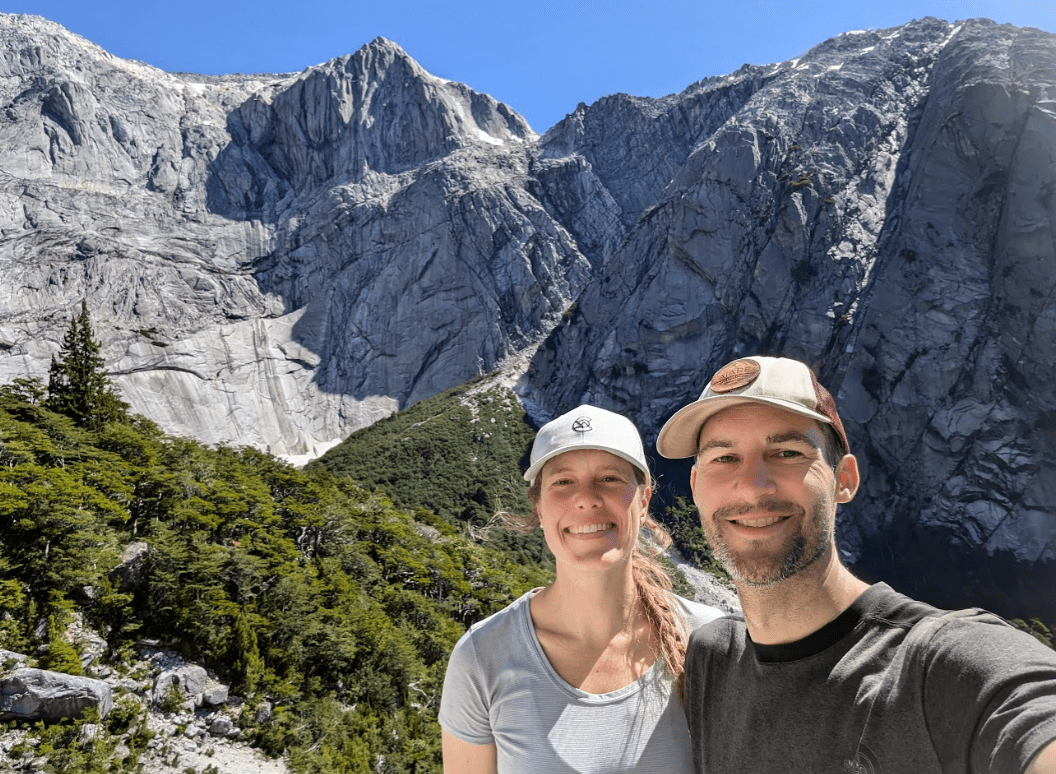
In the US, I’ve spent the majority of my climbing weekends in Yosemite, my favorite national park due to the beautiful granite walls and domes and pinnacles and cracks that are perfect for climbing. Thus when I moved to Chile in 2019 and heard about a climbing area described as the “Yosemite of South America”, I knew I had to plan a trip.
Like Yosemite, Cochamó Valley is full of soaring granite walls just waiting to be climbed. But the big difference is that Cochamó is way less accessible – to get to the main valley, you have to walk 3-4 hours along a 13 km trail, and then to get up to the main climbing areas it’s another three hours of hiking.
The weather is also a challenge: it rains a lot, and the weather is hard to predict. It can be difficult to fully take advantage of all the dry weather windows if you don’t know they’re coming. So, if you’re trying to get a lot of climbing in, you need to plan to be there for quite a while. On this trip, we spent a total of 16 days in the valley which included only 8 days of climbing (and not all were full days). Next time hopefully we can plan to be in Cochamó for at least six weeks.

Now, to set the scene: Basically, at the beginning of the trip you have to pack in everything you’re going to need for your entire stay, all the way up the 13 km trail to the main part of the Cochamó Valley which is known as La Junta. Two and a half weeks of food plus climbing and camping gear is uncomfortably heavy to carry, so in our case we hired a horse to carry in 65 kg of gear while we hiked in with the rest.
There are a couple of campsites right next to each other in the valley, and we had 3 nights reserved at Camping Vista Hermosa followed by 13 nights at Camping La Junta. (We extended the trip late in the planning phase, so there wasn’t availability in the same campsite for the extra nights.) Each campsite has water, sinks for washing dishes, pit toilets, cold showers, and some common spaces with rain protection, but that’s basically it. You can buy an hour of slow wifi connection via Starlink at one of the campsites if you really need connectivity, but other than that there’s no cell signal anywhere in the valley. Sometimes the campsites have bananas and bread and eggs and giant chocolate chip cookies available to buy at exorbitant prices, but not always, and not much else.

Once you set up base camp in the valley at one of these campsites, you have to hike up another three hours to get to the best climbing areas. There are two main upper valleys, Trinidad and Anfiteatro (which translates to “Amphitheater”), and the catch here is that you can’t bring a tent to sleep in. There are a couple of “bivouac” spots (also called a “bivy”), which basically means you’re sleeping out in the open, although in Trinidad there’s a pretty big boulder that ten or so people can sleep under. The normal mode of operation here is for climbers to wait for a weather window, then hike up to one of the valleys with climbing gear, minimal camping gear, and enough food for three or four days at a time. When the weather turns or you run out of food, you head back down to base camp to rest and reset and then do it all again.
So that’s the basic summary: lots of hiking with a heavy pack, lots of rain, lots of packing and unpacking, lots of peeing in the woods, and just enough climbing to make it all worth it.
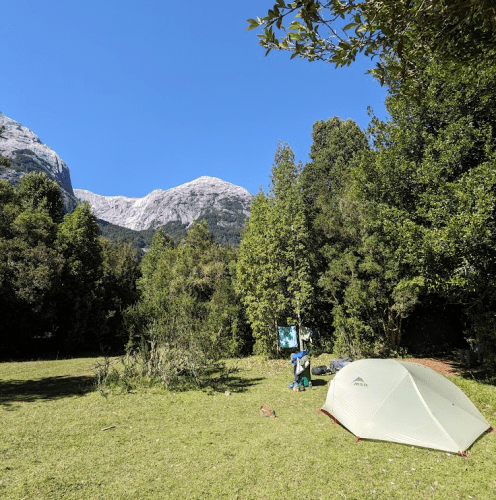
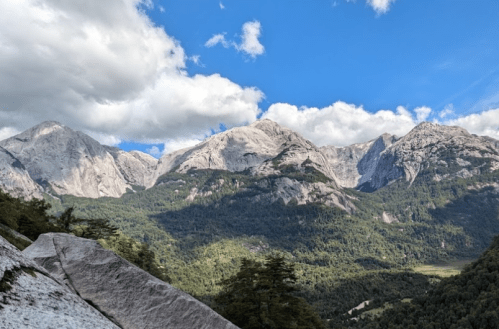
Cochamó Valley is definitely the most remote area I’ve ever stayed in for a significant amount of time, and I think that’s a large part of the charm. Without cell service, when we weren’t actively climbing or hiking or cooking or unpacking or repacking, we spent a lot of time genuinely relaxing or reading on our kindles or actually talking to each other or making friends with the other climbers. I hadn’t thought about it much going in to the trip, but the mental reset ended up being just as important and meaningful as the actual climbing.
For this trip I thought it might be fun to do some shorter daily recaps since it felt like so much happened, so that’s what I’m going to be posting over the next several weeks. It’s funny how much time expands when you’re not spending any of it scrolling Instagram. I was also unreasonably excited when Will came up with the idea to call these posts Cochamemos, with Cochanotes being a close second. Anyways, in case you need motivation to follow along with the recaps of our adventures, jungle cow doesn’t make an appearance until the penultimate day so you’ll have to keep following the blog for that story.
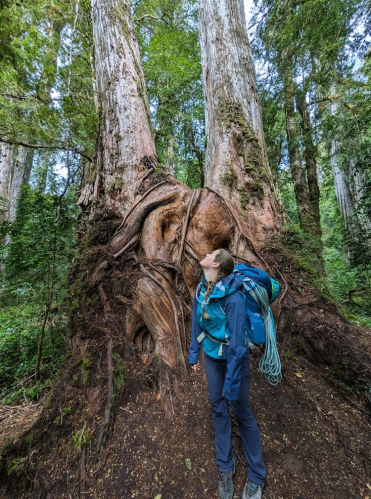
The full list of Cochamó posts can be found here.

 Margaux Rhymes with Fargo
1 Pingback