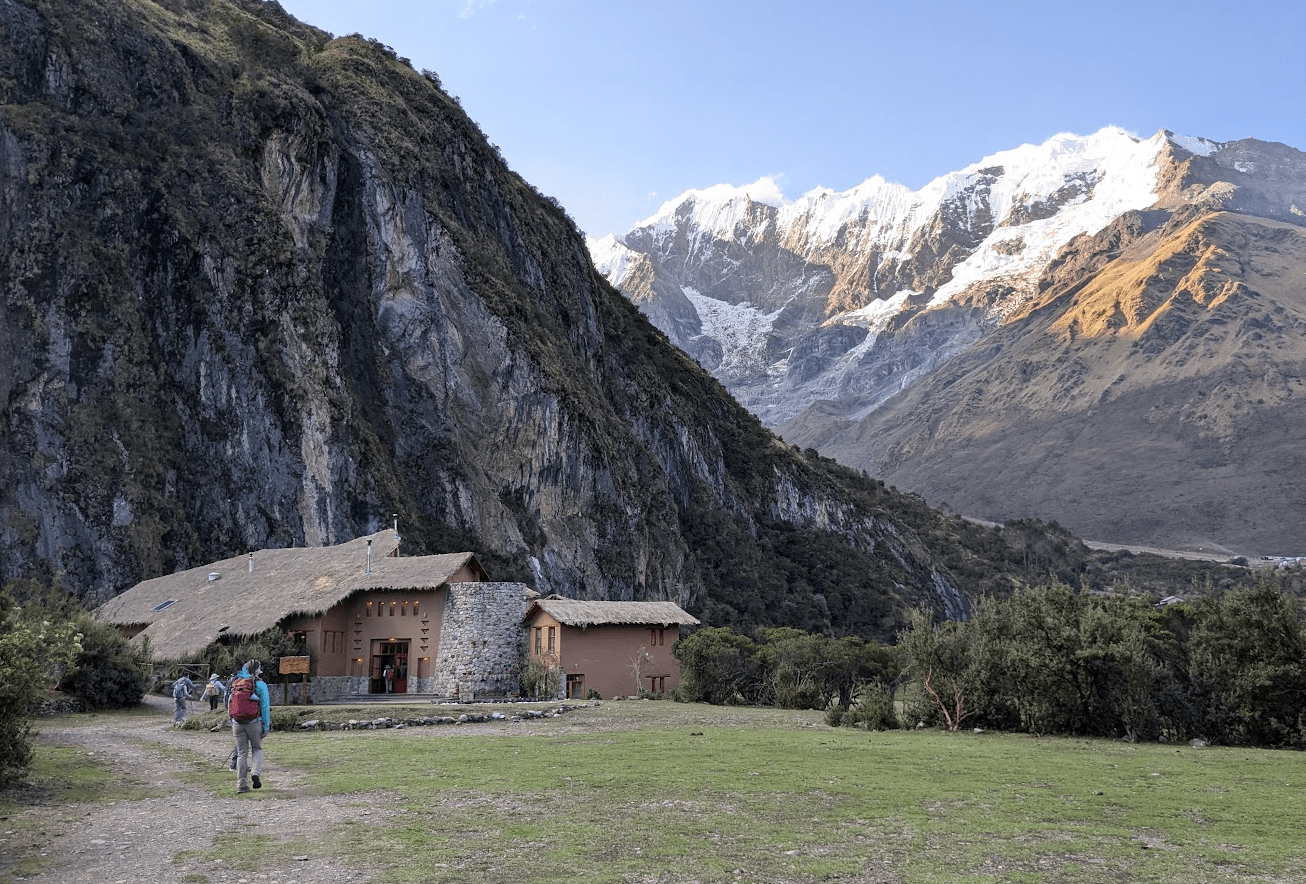
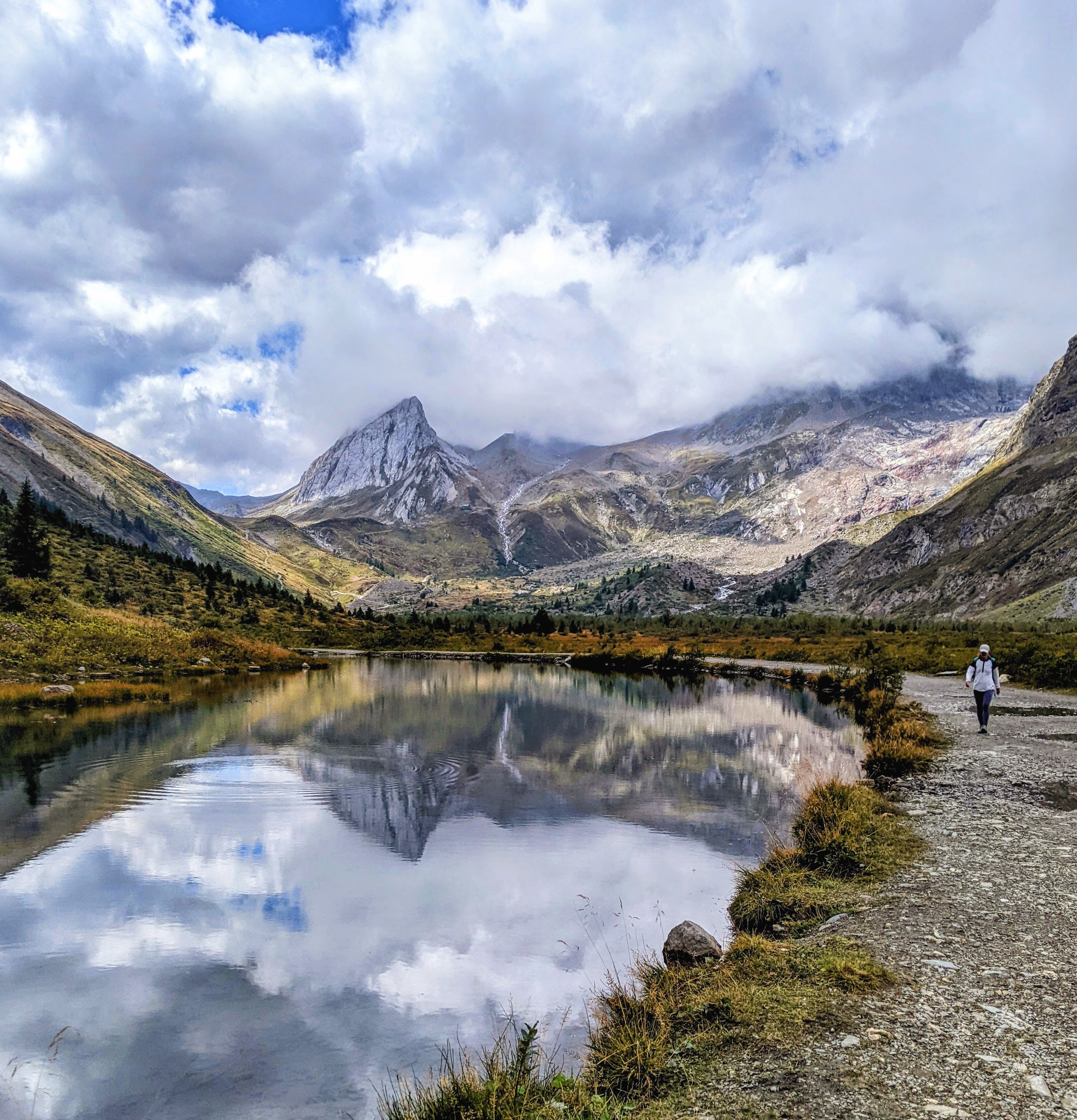
I did my first hut-to-hut trek back in September 2022 with my parents, a 13-day hike around the Mont Blanc massif passing through France, Italy, and Switzerland. Now with the Salkantay Trek under my belt as well, I thought it might be helpful to share some lessons learned on the packing front.
Specifically, this is for hut-to-hut treks where you only carry a daypack while hiking and your main luggage (usually a small or medium-sized duffel bag) is transferred for you to each hut/hotel/lodge/refugio. The access to a hot shower every night as well as the luxury of a luggage transfer (i.e. not having to carry all of your stuff) make a pretty big difference when packing as compared to regular camping or backpacking, especially when considering laundry opportunities and luxury items. This isn’t a complete packing list, just a collection of tips and items you may not have considered if you’re planning a hut-to-hut trip.

Laundry / Hygiene / Sleep
- Bring detergent sheets for laundry, they’re much easier to transport than liquid or powder and it’s easy to use just a bit at a time.
- If you’re going to wash or rinse anything, do it as soon as you arrive in the lodge so it has the longest time possible to dry. You can also roll clothes up in a clean towel and squeeze to transfer a lot of moisture to the towel and shorten drying time.
- Bring a length of thin cord or twine to make a clothesline in the hotel room for when you do laundry; the closets don’t always have hangers or convenient places to hang things.
- I am a big believer in ear plugs and an eye mask for sleeping away from home, specifically this one from Drowsy. It’s more expensive than I’d like but the eyelash-protecting version doesn’t press on your eyelids when you sleep (a big pet peeve of mine for regular eye masks) and is super soft and comfy.
- Bring a small selection of ziploc bags and small trash bags. Being able to separate clothes into clean, used but can wear again, and dirty within the duffel is very useful. Bags are also useful for isolating a damp bathing suit washed clothes that didn’t dry overnight.
- I bring a bathing suit on every trip and hiking is no exception.
Hydration / Medical
- Bring a small/short water bottle to fill water more easily from the hotel bathroom sinks (I use a mini nalgene). In most cases it’s potable water but bigger water bottles (like a standard liter-sized one) don’t fit as easily under the faucet to be filled all the way up.
- Bring a roll of athletic tape. It’s useful for various things like covering blisters, supporting a sore ankle, and setting up a clothes line.
- Bring some sort of electrolyte powder (Nuun, LMNT, Liquid IV, etc) and ideally enough to share if needed, especially if the trek involves higher altitudes or super long days.
On the Trail
- This one is definitely not universal but I wear long pants and a sun hoodie basically any time I’m hiking, and I’m trying to get used to wearing a ballcap as well. Even if it’s hot, even if I’m sweaty, I prefer the sun protection. The pants also protect your legs from plants and scratches and such.
- I always carry my light sandals/flip flops with me in my daypack. Sometimes we got to the hotel before our luggage arrived and taking off hiking shoes right away to let them air out is really nice. It’s also nice if your lunch spot is by a river or lake to dip your feet midday. (On the Mont Blanc trip I had regular flip flops but I would have preferred chacos or plasticky birkenstocks that don’t have a separator for the big toe so that they can more easily be worn with socks.) (Yes I am aware that socks and stocks are not stylish but it’s hard to argue against practicality on the trail.)
- I’m a huge fan of my Kula cloth for peeing on the trail, and you’ll have a sink to clean it every night.

As a last general note, if at all possible, I’d recommend using a duffel bag for your main luggage (i.e. the one that gets transported for you) that’s slightly bigger than you need. If you have extra space it’s tempting to stuff it full with some extra stuff, but remember that you’re going to have to do some level of unpacking and repacking every single day. Having a little bit of extra space in the bag allows you to repack quickly without having to play tetris every morning to get the bag closed. Unless you’re really into tetris, in which case, go for it I suppose.


 Margaux Rhymes with Fargo
1 Pingback